Clavitherapy – method description
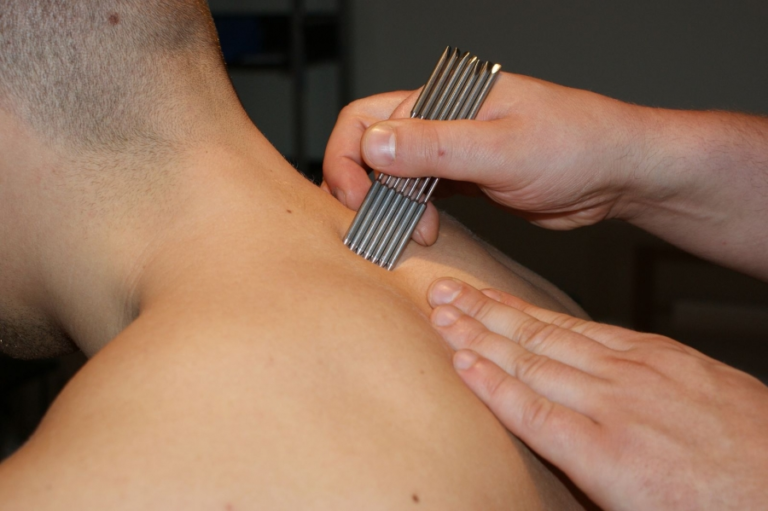
Clavitherapy is an original method of manual reflex therapy developed by Ferdynand Barbasiewicz. It is based on precise stimulation of specific points on the surface of the body using specially designed therapeutic instruments known as “clavics.”
The method is based on the assumption that an appropriate mechanical stimulus applied to the skin and superficial tissues can influence the functioning of the nervous system, triggering reflex responses of the body and regulatory processes.
Characteristics of the treatment
During the procedure, the therapist:
- identifies specific therapeutic points and zones,
- applies controlled, short-term pressure using clavics,
- does not break the continuity of the skin – the procedure is non-invasive and does not involve puncturing.
The stimulation is point-specific and precise, and its intensity is individually adjusted to the patient.
Theoretical foundations of the method
According to the creator’s concept, clavitherapy aims to:
- stimulate skin receptors and nerve endings,
- influence nerve conduction and reflex responses,
- support the body’s self-regulation mechanisms.
The method is sometimes compared to other reflex therapies (such as acupressure); however, it has its own system of points and an original working technique.
Scope of application
Clavitherapy is used as a supportive therapy, among others, in cases of:
- pain-related conditions,
- muscle tension,
- functional disorders,
- hronic overload and fatigue states.
The selection of treatments should always take into account the patient’s health condition and possible contraindications.
Status of the method
Clavitherapy is a method that is:
- used in therapeutic practice in various countries,
- taught through specialized training courses,
- classified within the field of manual therapies and complementary medicine
It does not replace conventional medical treatment and should be regarded as a complementary element of therapeutic care.
Safety
Procedures are performed without breaking the continuity of the skin. Prior consultation and patient qualification are recommended before starting therapy, particularly in cases of chronic diseases, pregnancy, or other conditions requiring special caution.