What does it involve:
Ozone therapy is a treatment method using a mixture of oxygen and ozone (O₃) that has anti-inflammatory, antibacterial, antiviral, and antifungal effects, improves tissue oxygenation, stimulates the immune system, and supports regeneration. It works through biochemical activation, increasing oxygen delivery to cells and eliminating pathogens, which helps in the treatment of many conditions, from circulatory problems to infections, using various forms of application: intravenous (autohemotherapy), local administration (rectal, vaginal), and ozone bags.
Types of ozone therapy
- Autohemotherapy -
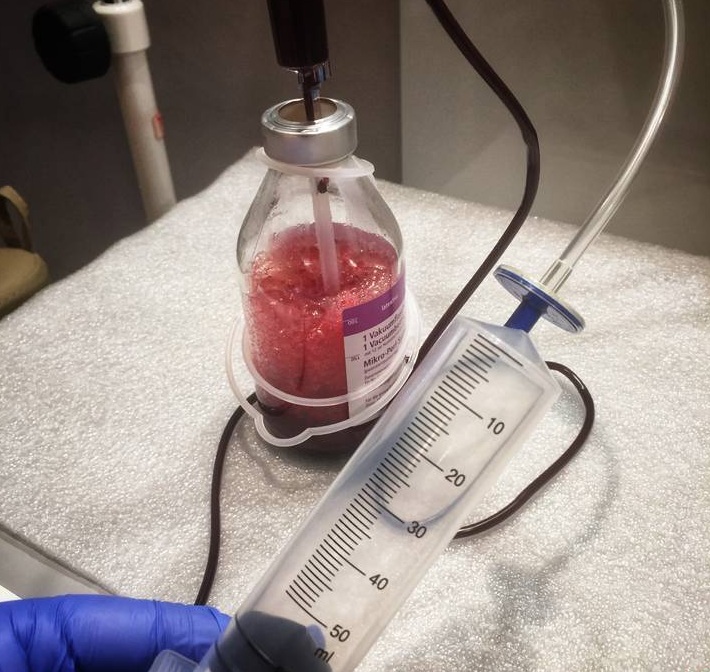
Autohemotherapy is a treatment method that involves drawing the patient’s blood and reinfusing it into the same patient after appropriate preparation. The goal is to stimulate the immune system and regenerative processes.
What does the procedure look like step by step:
- Collection of 50–200 ml of venous blood into a sterile container
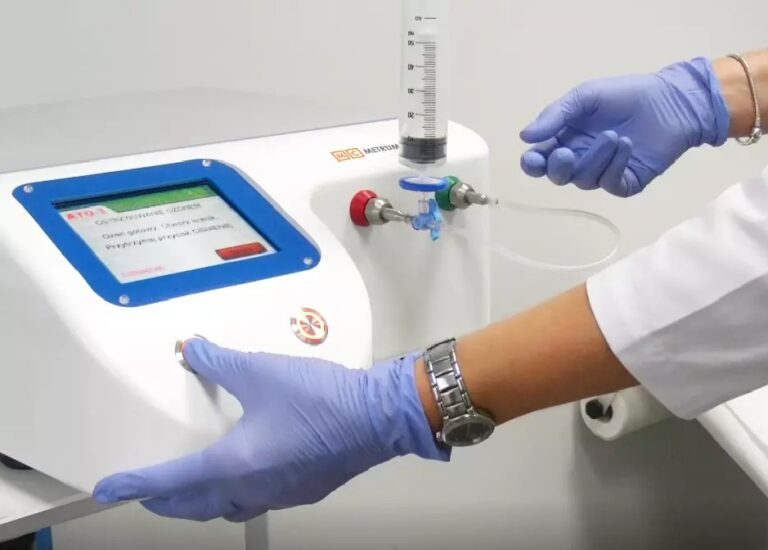
- Addition of an oxygen–ozone mixture at a strictly controlled concentration
- Gentle mixing
- Intravenous reinfusion of the blood back into the patient
⏱ Procedure time: 15–30 minutes
Rectal ozone therapy
Rectal ozone therapy (rectal insufflation) is a form of ozone therapy that involves the administration of an oxygen–ozone mixture into the rectum. It is a systemic form of therapy, non-invasive and without punctures, and is often used as an alternative to autohemotherapy.
What does the procedure involve (step by step)?
- The patient lies on their side or back
- A thin disposable catheter is inserted into the rectum
- A precisely measured amount of the O₂–O₃ mixture is administered
- The gas is absorbed through the intestinal mucosa
⏱ Duration: 5–15 minutes
📅 Series: usually 5–20 sessions
Ozone bags
Ozone bags (so-called ozone bagging) are a local form of ozone therapy in which a limb or a specific body area is placed inside an airtight, disposable bag and then filled with an oxygen–ozone mixture. Ozone acts directly on the skin and wounds.
What does the procedure look like (step by step)?
- Cleansing of the skin or wound
- Placement of an airtight bag over the treated area (e.g., foot, hand, lower leg)
- Introduction of a controlled dose of the O₂–O₃ mixture
- Exposure for a specified period of time
- Removal of the bag and, if necessary, protection of the wound
⏱ 10–30 minutes
📅 Usually 5–20 sessions per series
Recommendations before and after the procedure
Before:
- do not come on an empty stomach
- stay well hydrated
- avoid alcohol (minimum 24 hours)
- inform about any medical conditions and medications
After:
temporary fatigue or mild pain at the injection site may occur
drink plenty of water
avoid intense physical activity on the same day